
As I peeled the wrapping off a slice of Japanese Cheesecake, I was greeted by its incredibly fluffy texture, reminiscent of a soft cloud just waiting to melt in my mouth. This delightful dessert, also known as Japanese Cotton Cheesecake, strikes the perfect balance between lightness and creaminess, making it a fantastic treat for anyone looking to indulge without the heaviness of traditional cheesecake. With only a handful of ingredients, this mildly sweet soufflé-style cake is not just beautiful—it’s also incredibly simple to make and easier on the waistline. Perfect for impressing guests or satisfying your sweet tooth, it’s a must-try for anyone passionate about homemade food. Ready to whip up this unique dessert and take your baking skills to new heights? Let’s dive in!
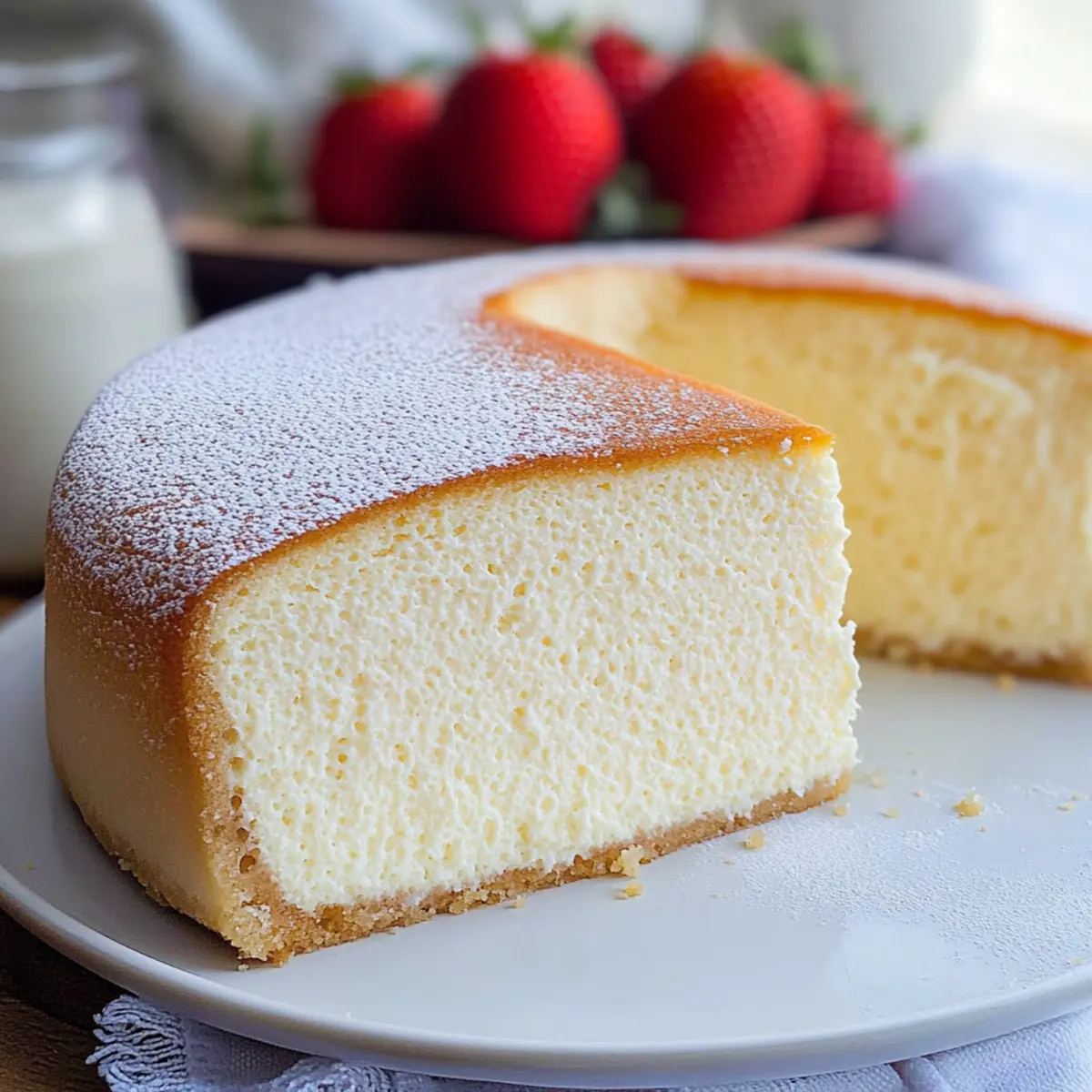
Why is Japanese Cheesecake a Must-Try?
Lightness is the key to this delightful dessert, as each bite feels like a comforting hug without the heaviness. Unique texture sets it apart from traditional cheesecakes, boasting a fluffy, jiggly quality that’s simply irresistible. Quick and easy to make, you can whip it up with just a few basic ingredients, perfect for a last-minute treat. Impress your guests with its elegant presentation—it’s sure to be the star of any gathering! If you love this recipe, don’t miss out on the creamy delight of Mini Cheesecake Cups or the exotic flavors of Cherry Pistachio Cheesecake.
Japanese Cheesecake Ingredients
• To create this airy and delightful cake, gather the following key ingredients:
For the Cake Base
- Eggs (6 large, separated) – Fresh eggs provide structure and aeration, essential for that fluffy texture.
- Cream Cheese (8 ounces, preferably softened) – The core of flavor and creaminess; Neufchâtel is a lighter option.
- Heavy Cream (¼ cup) or Full Fat Milk – Adds richness and moisture; light cream can be a lower-calorie alternative.
- Unsalted Butter (4 tablespoons, cut into smaller pieces) – Contributes both flavor and moisture; coconut oil is a great non-dairy substitute.
- Cake Flour (½ cup, fluffed, spooned, and leveled) – Ensures a tender crumb; all-purpose flour with a tablespoon of cornstarch can work if needed.
Flavor Enhancements
- Lemon Zest (1 tablespoon, optional) – Adds a lovely citrus lift, enhancing the cake’s flavor. Omit it for a more neutral taste.
- Vanilla Extract (1½ teaspoons, optional) – Infuses a sweet aroma; almond extract can be used for a unique twist.
- Granulated Sugar (⅓ cup) – Sweetens the batter perfectly; coconut sugar can be introduced for a caramel-like sweetness.
- Lemon Juice (2 teaspoons, about ⅓ of a lemon) – Balances sweetness with acidity; vinegar can act as an alternative acid if necessary.
Remember, these Japanese Cheesecake ingredients come together to create a dessert that’s not only delightful to taste but visually stunning as well!
Step‑by‑Step Instructions for Fluffy Japanese Cotton Cheesecake
Step 1: Prepare Equipment
Preheat your oven to 300°F (150°C). While the oven heats, line an 8×3 inch cake pan with parchment paper to prevent sticking. Additionally, prepare a 9×9 inch pan to function as a water bath, which ensures even baking and prevents cracking. This step is crucial for achieving that perfect fluffy Japanese cheesecake texture.
Step 2: Make Base Batter
In a heatproof bowl, combine the softened cream cheese, butter, and heavy cream, then place over simmering water. Stir continuously for about 5-7 minutes until the mixture is smooth and fully combined. Remove it from the heat, then mix in the egg yolks one at a time. Sift in the cake flour, followed by the lemon zest and vanilla extract, stirring until the batter is smooth and well combined.
Step 3: Prepare Meringue
In a separate large mixing bowl, use an electric mixer to whip the egg whites with the lemon juice at medium speed until frothy, about 2-3 minutes. Gradually add the granulated sugar, continuing to whip until you reach medium-soft peaks; this should take approximately 4-5 minutes. The meringue should be glossy and hold a shape when the beaters are lifted—this will create the lightness in your Japanese cheesecake.
Step 4: Combine Mixtures
Gently fold one-third of the prepared meringue into the cream cheese batter using a spatula, being careful not to deflate it. Repeat this process two more times until all of the meringue is incorporated, and no streaks remain visible. This step is essential for maintaining the airy texture that distinguishes a fluffy Japanese cheesecake.
Step 5: Bake
Pour the combined batter into the prepared cake pan, tapping it lightly on the counter to release any trapped air bubbles. Carefully place the cake pan into the preheated water bath, ensuring the water is about halfway up the side of the pan. Bake for 80-90 minutes, or until the top is golden brown and a skewer inserted comes out clean, indicating the perfect bake and moist texture.
Step 6: Cool and Serve
Once the baking time is complete, remove your fluffy Japanese cotton cheesecake from the water bath and let it cool in the pan on a wire rack for about 10 minutes. Carefully turn it onto its side, gently removing the parchment paper. Allow the cheesecake to cool completely before flipping it onto a serving plate. This can be served warm or chilled; it’s delicious either way!
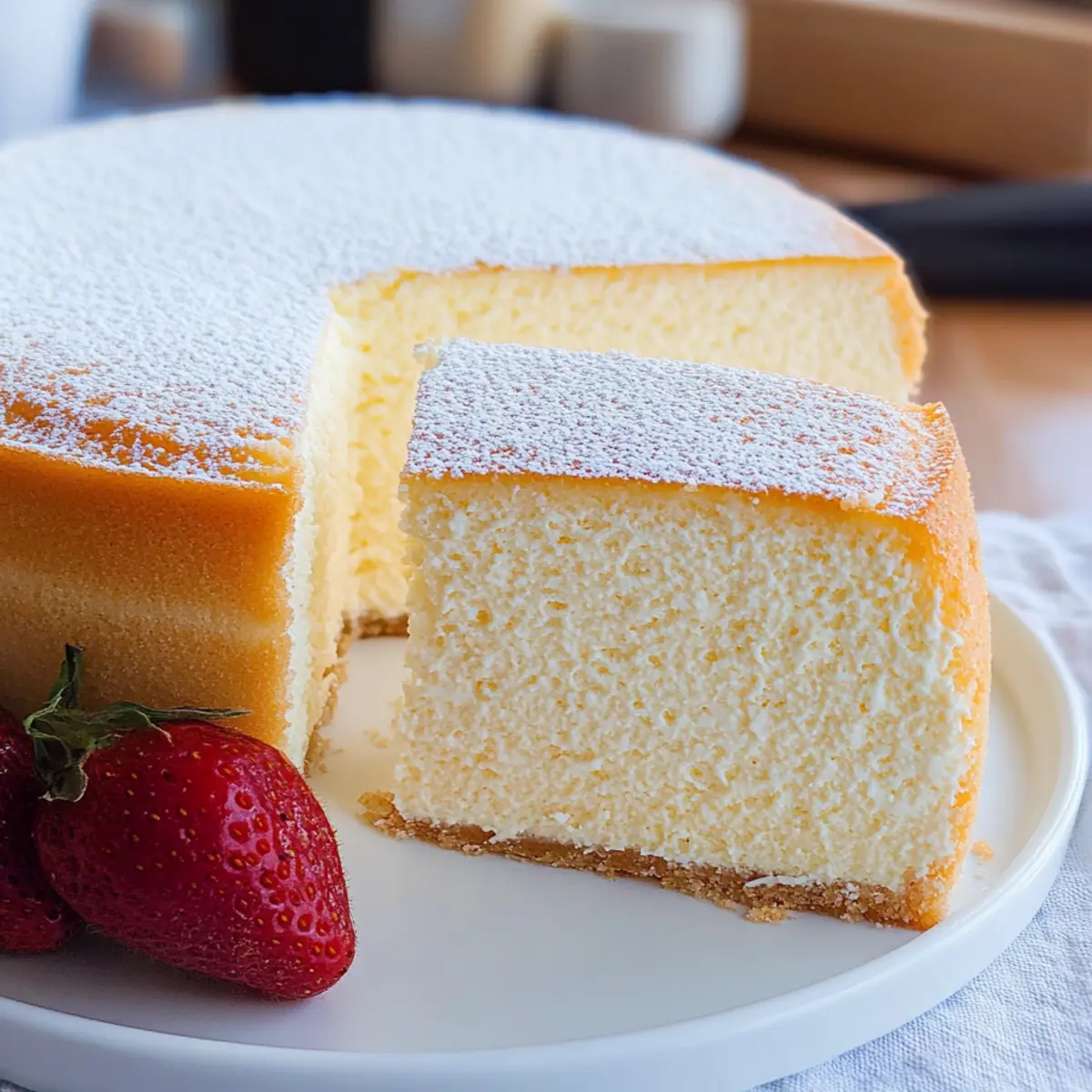
Variations & Substitutions for Japanese Cheesecake
Feel free to explore your creativity and make this Japanese Cheesecake uniquely yours with these delightful variations!
-
Green Tea: Infuse the batter with 1-2 tablespoons of matcha powder for a subtle, earthy flavor. This adds not only color but a delightful twist that tea lovers will adore.
-
Chocolate Swirl: Incorporate a swirl of melted chocolate or cocoa powder into the batter. Use dark chocolate for an indulgent treat that satisfies chocolate cravings while keeping the fluffy texture intact.
-
Fruit Puree: Add a splash of fruit puree, like ube or strawberry, to the batter for a beautiful color and flavor enhancement. The fresh fruit flavors shine through while keeping the cake light and airy.
-
Lemon Lavender: Incorporate dried lavender and a tablespoon of lemon juice into the batter for a floral hint. This sophisticated combination will truly elevate your cheesecake experience, making it perfect for special occasions.
-
Mini Cheesecakes: Adapt this recipe for individual servings by using a muffin pan or small ramekins. These adorable mini cheesecakes bake more quickly and are perfect for portion control!
-
Nutty Flavor: Add crushed nuts such as almonds or walnuts to the batter for a delightful crunch. This twist not only changes the texture but also enriches the flavors beautifully.
-
Spicy Kick: For those who love a little heat, try adding a pinch of cayenne pepper or ground ginger to the batter. The heat will subtly balance out the sweetness and make each bite intriguing.
If you’re loving the idea of personalizing your desserts, don’t forget to check out the creamy delight of Mini Cheesecake Cups or the exotic flavors of Cherry Pistachio Cheesecake!
What to Serve with Fluffy Japanese Cotton Cheesecake?
Indulging in this delicate cake opens up a world of delightful pairings that will elevate your dessert experience.
-
Fresh Berries: Juicy strawberries, blueberries, or raspberries add a burst of freshness that beautifully complements the cheesecake’s mild sweetness.
-
Whipped Cream: A dollop of lightly sweetened whipped cream enhances the airy texture while adding a touch of richness—perfect for those who love creamy contrasts.
-
Chocolate Sauce: Drizzling warm chocolate sauce creates a decadent twist, enriching each bite with indulgent chocolatey goodness that balances the cake’s fluffiness.
-
Matcha Green Tea: A cup of matcha tea serves as a delightful, earthy balance to the dessert. Its slight bitterness perfectly offsets the cheesecake’s sweetness.
-
Earl Grey Tea: This aromatic tea, with its citrus notes, pairs wonderfully with the lightness of the cheesecake, creating a soothing, sophisticated combination for afternoon tea.
-
Peach Compote: A spoonful of sweet peach compote introduces a juicy and tangy layer, providing a delightful contrast and an added layer of flavor to each slice.
-
Coconut Sorbet: Serve alongside refreshing coconut sorbet to accentuate the lightness while adding a tropical flair that takes this dessert to a new level.
-
Iced Matcha Latte: An iced matcha latte provides a refreshing beverage option that beautifully complements the light, airy qualities of the Japanese cheesecake.
-
Almond Biscotti: These crunchy cookies are perfect for dipping and add a delightful texture contrast alongside the softness of the cheesecake.
-
Lemonade Spritzer: A citrusy lemonade spritzer offers a bright, fizzy refreshment that cuts through the richness of the cheesecake, leaving your palate cleansed and ready for more.
Expert Tips for Japanese Cheesecake
-
Room Temperature Eggs: Make sure your eggs are at room temperature for better incorporation, allowing for increased volume and a fluffier texture in your Japanese cheesecake.
-
Bain-Marie Baking: Use a water bath (bain-marie) to prevent cracking and ensure even baking. This is crucial for achieving that light, soufflé-like texture.
-
Oven Accuracy: Baking times may vary; consider checking with an oven thermometer to confirm your temperature, ensuring it’s just right for your cheesecake.
-
Top Color: If the top of your cheesecake is too pale after baking, briefly broil it for a lovely golden brown color. Remember to watch closely to avoid burning!
-
Clean Equipment for Meringue: Ensure all tools and bowls are squeaky clean before whipping your egg whites; any oil residuals can prevent them from reaching maximum volume.
Make Ahead Options
These fluffy Japanese Cheesecakes are perfect for meal prep enthusiasts! You can prepare the batter up to 24 hours in advance by making the cream cheese mixture and meringue separately, storing them in airtight containers in the refrigerator—this ensures they stay fresh and ready to go. When you’re ready to bake, gently combine the mixtures and pour them into the prepared pan before baking. To maintain its cloud-like texture, avoid preparing it more than a day ahead. Once baked, the cheesecake can be kept in the refrigerator for up to 3 days before serving, allowing you to enjoy a restaurant-quality dessert with minimal weekday effort!
Storage Tips for Japanese Cheesecake
Fridge: Store your Japanese cheesecake tightly wrapped in plastic wrap or in an airtight container for up to 4 days. This will keep it fresh and maintain its delightful fluffy texture.
Freezer: To freeze, slice the cheesecake and wrap each piece individually in plastic wrap, then place in a freezer-safe container. It can be stored for up to 2 months.
Thawing: Thaw the cheesecake overnight in the refrigerator for the best texture, or enjoy it slightly frozen for a uniquely refreshing treat.
Reheating: If you prefer it warm, you can gently reheat individual slices in the microwave for about 10-15 seconds. Enjoy the velvety lightness of your Japanese cheesecake!
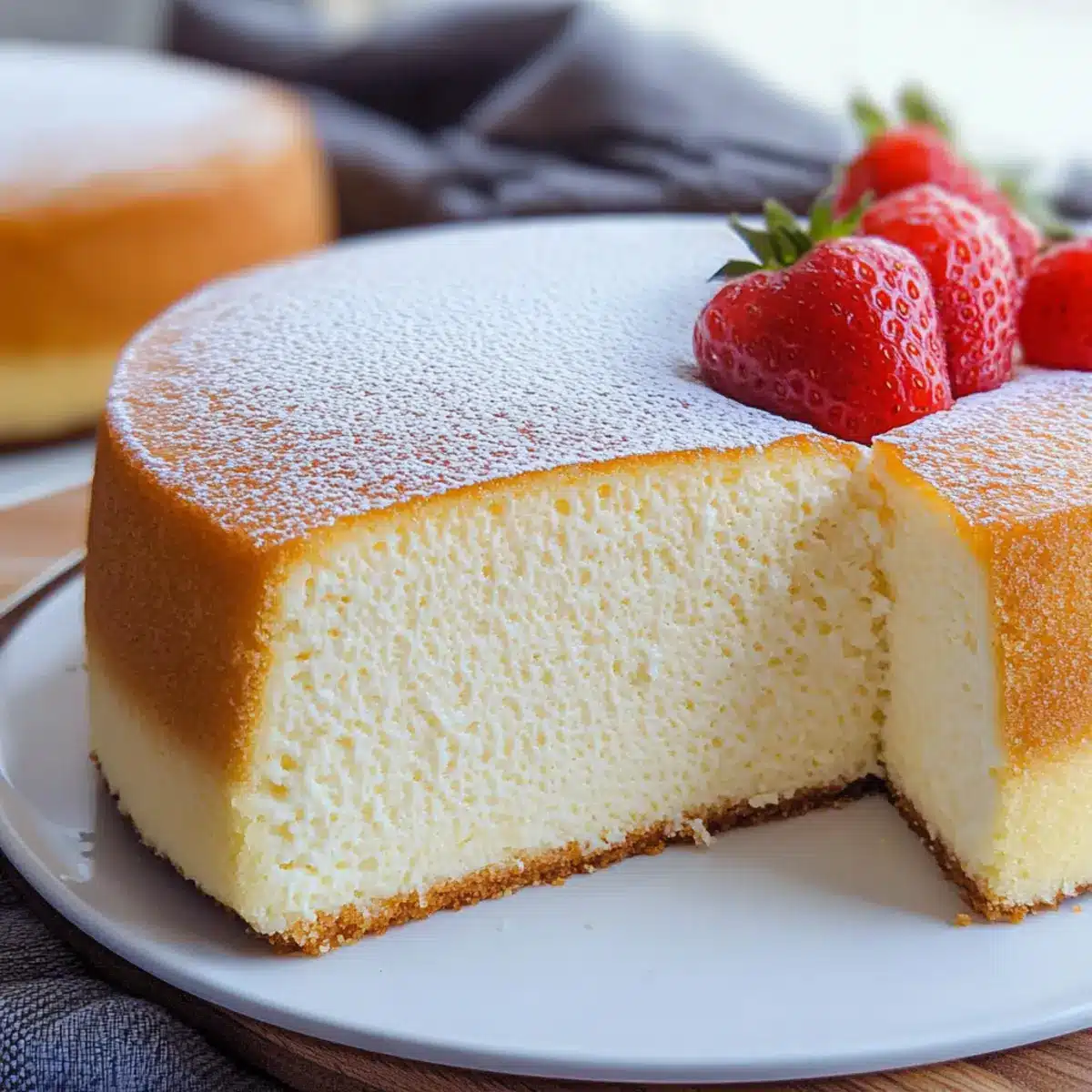
Japanese Cheesecake Recipe FAQs
What type of eggs should I use for Japanese cheesecake?
Absolutely! For the best texture, always opt for large, fresh eggs. Fresh eggs help in achieving better aeration during whipping your meringue, which is key for that fluffy texture.
How long can I store my Japanese cheesecake, and how should I do it?
You can store your Japanese cheesecake in the fridge for up to 4 days. Make sure it is tightly wrapped in plastic wrap or kept in an airtight container to maintain its soft fluffiness. Don’t forget to let it cool completely before storing!
Can I freeze Japanese cheesecake? If so, how?
Very! To freeze, slice the cheesecake into individual pieces and wrap each slice tightly in plastic wrap. Place the wrapped slices in a freezer-safe container. Your cheesecake can last up to 2 months in the freezer. When you’re ready to enjoy it, just thaw overnight in the refrigerator or savor it slightly frozen for a different experience!
What should I do if my cheesecake cracks while baking?
Don’t fret! If your cheesecake cracks, it may be due to overheating. Ensure you’re using a water bath (bain-marie) as mentioned in the instructions, which helps regulate the baking temperature. If it does crack, you can cover it with a light dusting of powdered sugar or a delicious fruit topping to hide the imperfections—no one will be the wiser!
Is Japanese cheesecake suitable for people with dietary restrictions?
Absolutely! If you or your guests have dietary restrictions, you can make this cheesecake lighter by substituting Neufchâtel cheese for cream cheese and using coconut oil instead of butter for a dairy-free version. Additionally, you can replace the granulated sugar with coconut sugar or a sugar substitute if you need to reduce sugar intake. Always check for other allergens, especially if you’re serving it to others.
Can I add flavors to my Japanese cheesecake?
Yes! The more the merrier! Feel free to infuse your Japanese cheesecake with flavors like matcha for a green tea twist, or add fruit purees such as ube or chocolate for delicious variations. Just remember to adjust your ingredients accordingly to maintain the fluffy texture!
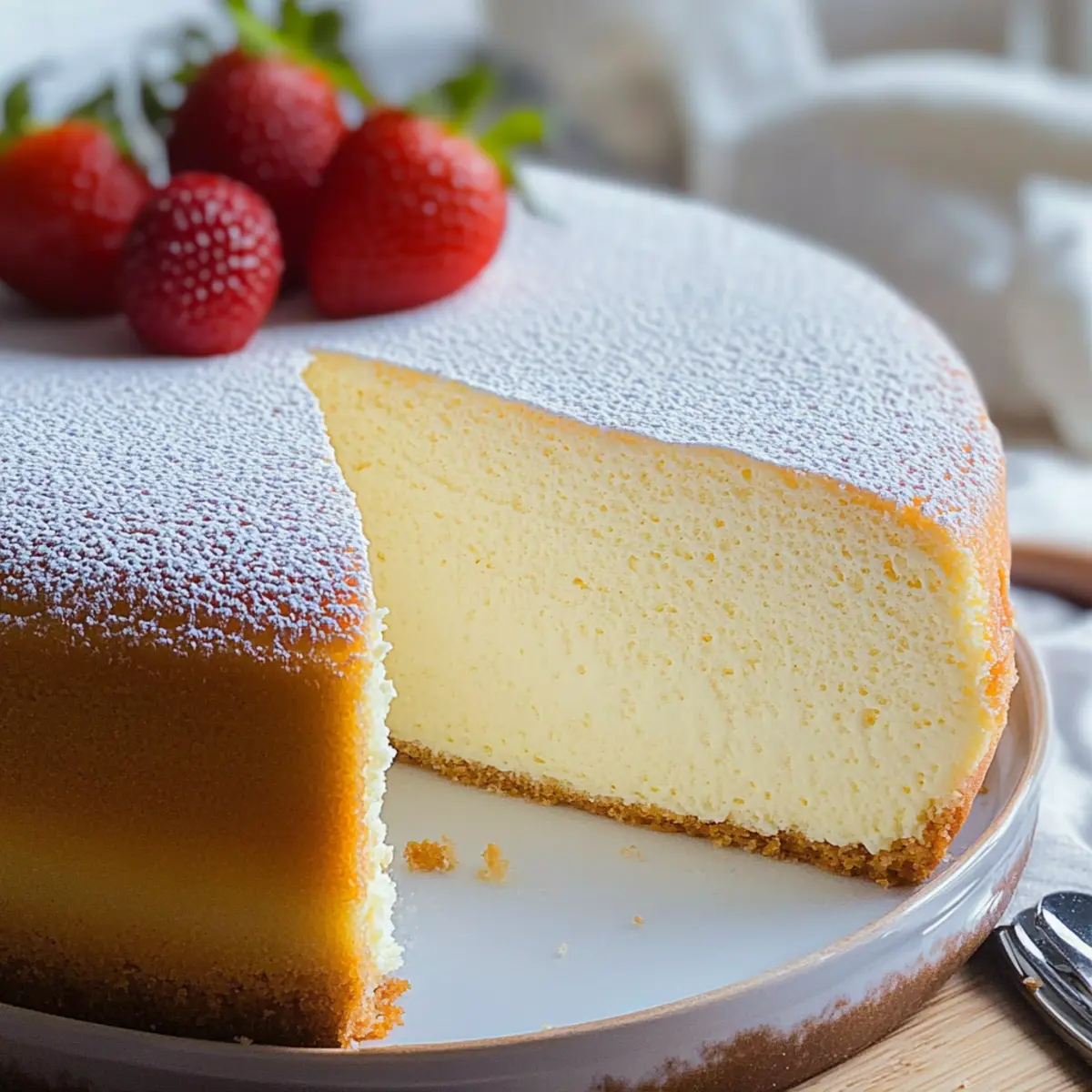
Fluffy Japanese Cheesecake That Melts in Your Mouth
Ingredients
Equipment
Method
- Preheat your oven to 300°F (150°C). Line an 8x3 inch cake pan with parchment paper and prepare a 9x9 inch pan for a water bath.
- In a heatproof bowl, combine the softened cream cheese, butter, and heavy cream over simmering water, stirring until smooth. Mix in egg yolks, sift in cake flour, lemon zest, and vanilla, stirring until smooth.
- In a separate bowl, whip egg whites and lemon juice until frothy, then gradually add sugar, continuing to whip until medium-soft peaks form.
- Gently fold one-third of the meringue into the cream cheese batter, repeating until all meringue is incorporated.
- Pour the batter into the cake pan, tap to release air bubbles, and place in the water bath. Bake for 80-90 minutes until golden brown.
- Remove from the water bath and cool in the pan for 10 minutes. Turn onto its side, remove parchment, and cool completely before serving.
Leave a Reply