
The aroma of Nigerian Chicken Stew fills the kitchen, transporting me back to vibrant family gatherings where laughter and good food intertwined. This heartwarming dish not only showcases the rich flavors of traditional Nigerian cuisine but also embodies the spirit of comfort food. Simmered to perfection, the chicken is enveloped in a luscious tomato-and-pepper sauce that’s melded with aromatic spices. What I love most about this Nigerian Chicken Stew recipe is how effortlessly it brings everyone to the table, whether served over fluffy rice or sweet fried plantains. It’s a fantastic choice for those evenings when you crave a satisfying meal that warms both the heart and soul. Ready to spice up your dinner routine? Let’s dive into the vibrant world of West African flavors!
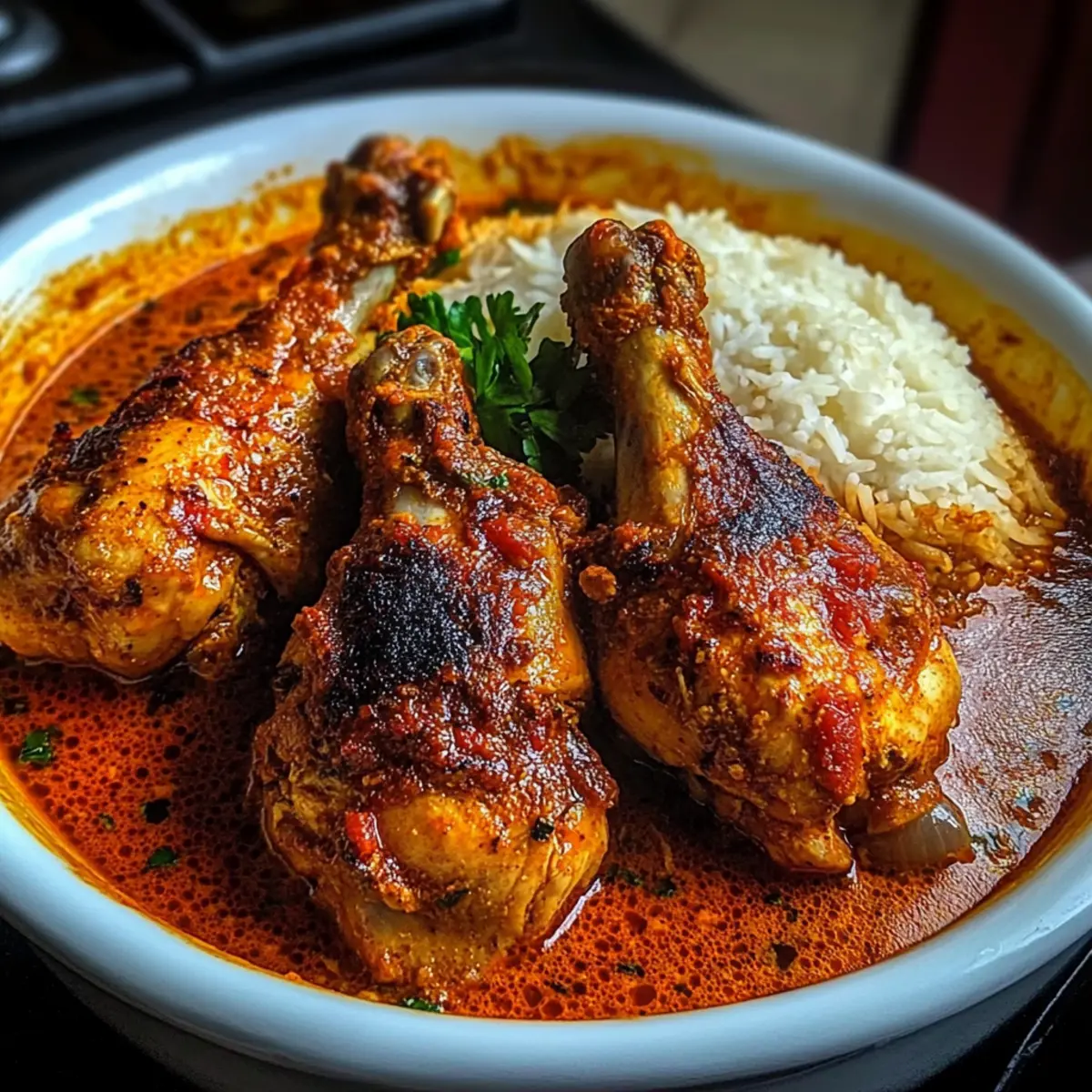
Why is This Nigerian Chicken Stew Special?
Hearty Comfort: This dish embodies the essence of comfort food, perfect for cozy family dinners or gatherings.
Bold Flavors: A unique blend of spices and fresh ingredients creates a robust, aromatic stew that tantalizes your taste buds.
Quick & Easy: With straightforward instructions, anyone can master this authentic recipe, from seasoned chefs to kitchen novices.
Versatile Pairings: Enjoy it with fluffy rice, sweet fried plantains, or even as a dipping sauce for your favorite flatbreads.
Crowd-Pleasing Delight: Whether it’s a festive occasion or a casual weeknight dinner, everyone loves a warm bowl of Nigerian Chicken Stew, making it a sure hit for gatherings.
Transform your dinner experience with this vibrant stew, and for more delicious options, check out Mushroom Chicken Cozy and Peruvian Chicken Aji.
Nigerian Chicken Stew Ingredients
Explore the essential components that make this Nigerian Chicken Stew recipe a delicious comfort food masterpiece.
For the Stew
• Chicken – Main protein; bone-in provides richer flavor and tenderness.
• Salt – Enhances the overall flavor; adjust to your taste for the perfect balance.
• Black Pepper – Adds a mild heat; using freshly ground enhances flavor.
• Paprika – Contributes color and warmth; substitute with smoked paprika for deeper taste.
• Curry Powder – Offers aromatic warmth; select mild or hot varieties based on your preference.
• Thyme – Adds earthy notes; fresh is preferred, dried works too.
• Onion – Base flavor; chopped yellow or red onions suit best for the stew.
• Vegetable Oil – Essential for searing chicken; olive oil can be a substitute but alters flavor.
• Roma Tomatoes – Forms the sauce base; use fresh for the best taste, canned as a backup.
• Red Bell Pepper – Brings sweetness and depth; can replace with yellow bell pepper.
• Small Red Onion – For the sauce; shallots or regular onions can be a suitable alternative.
• Scotch Bonnet Peppers – Infuses heat; substitute with habanero for similar spiciness, or omit for milder stew.
• Tomato Paste – Intensifies flavor and thickens the sauce; crucial for richness.
• Garlic Powder – Adds depth; adjust with fresh garlic for a more robust flavor.
• Ginger Powder – Enhances flavor profile with warmth; use fresh for a vibrant kick.
• Bouillon Cube – Boosts umami flavors; optional but enhances richness.
• Fresh Parsley/Cilantro – For garnish; adds a refreshing touch to your serving.
Step‑by‑Step Instructions for Nigerian Chicken Stew Recipe
Step 1: Marinate Chicken
Begin by seasoning the chicken with salt, black pepper, paprika, curry powder, thyme, and chopped onion in a large bowl. Ensure the chicken is well-coated in the spice mixture for maximum flavor infusion. Cover with plastic wrap and let it marinate for at least 30 minutes at room temperature or refrigerate for up to 2 hours for deeper flavor penetration.
Step 2: Brown Chicken
Heat a generous amount of vegetable oil in a large skillet over medium-high heat. Once the oil is shimmering, add the marinated chicken pieces. Sear the chicken for about 5-7 minutes on each side until it’s golden brown and develops a nice crust. Remove the chicken from the skillet and set it aside on a plate.
Step 3: Prepare Sauce
In a blender, combine the Roma tomatoes, red bell pepper, small red onion, and scotch bonnet peppers. Blend until smooth to create a vibrant sauce. This mixture will add a rich and flavorful base to your Nigerian Chicken Stew. Set the puree aside while you prepare the next steps.
Step 4: Cook Tomato Paste
In the same skillet, add a little more oil if necessary and turn the heat to medium. Add the tomato paste and fry it for about 2 minutes, stirring constantly. This step caramelizes the tomato paste, intensifying its flavor and helping it blend beautifully into the stew later.
Step 5: Combine Ingredients
Pour in the blended tomato mixture into the skillet with the fried tomato paste. Stir well and bring it to a gentle simmer. Cook for about 10 minutes, stirring occasionally, until the mixture thickens and reduces slightly. This will deepen the flavors of your Nigerian Chicken Stew.
Step 6: Finalize Sauce
Reduce the heat to low and mix in the garlic powder, ginger powder, bouillon cube, and additional salt to taste. Stir until everything is well incorporated and allow the sauce to simmer for another 5 minutes, allowing all the flavors to meld together beautifully.
Step 7: Simmer Chicken
Return the browned chicken pieces to the skillet, ensuring they are submerged in the sauce. Cover the pan with a lid and let the chicken simmer for 25-30 minutes over low heat. The chicken should be tender and thoroughly cooked, absorbing the delicious, aromatic flavors of the Nigerian Chicken Stew.
Step 8: Garnish & Serve
Once the chicken is cooked, remove the lid and sprinkle the stew with freshly chopped parsley or cilantro for a bright finish. Serve your hearty Nigerian Chicken Stew warm over fluffy rice, with sweet fried plantains, or alongside yams to create a delightful meal that brings everyone to the table.
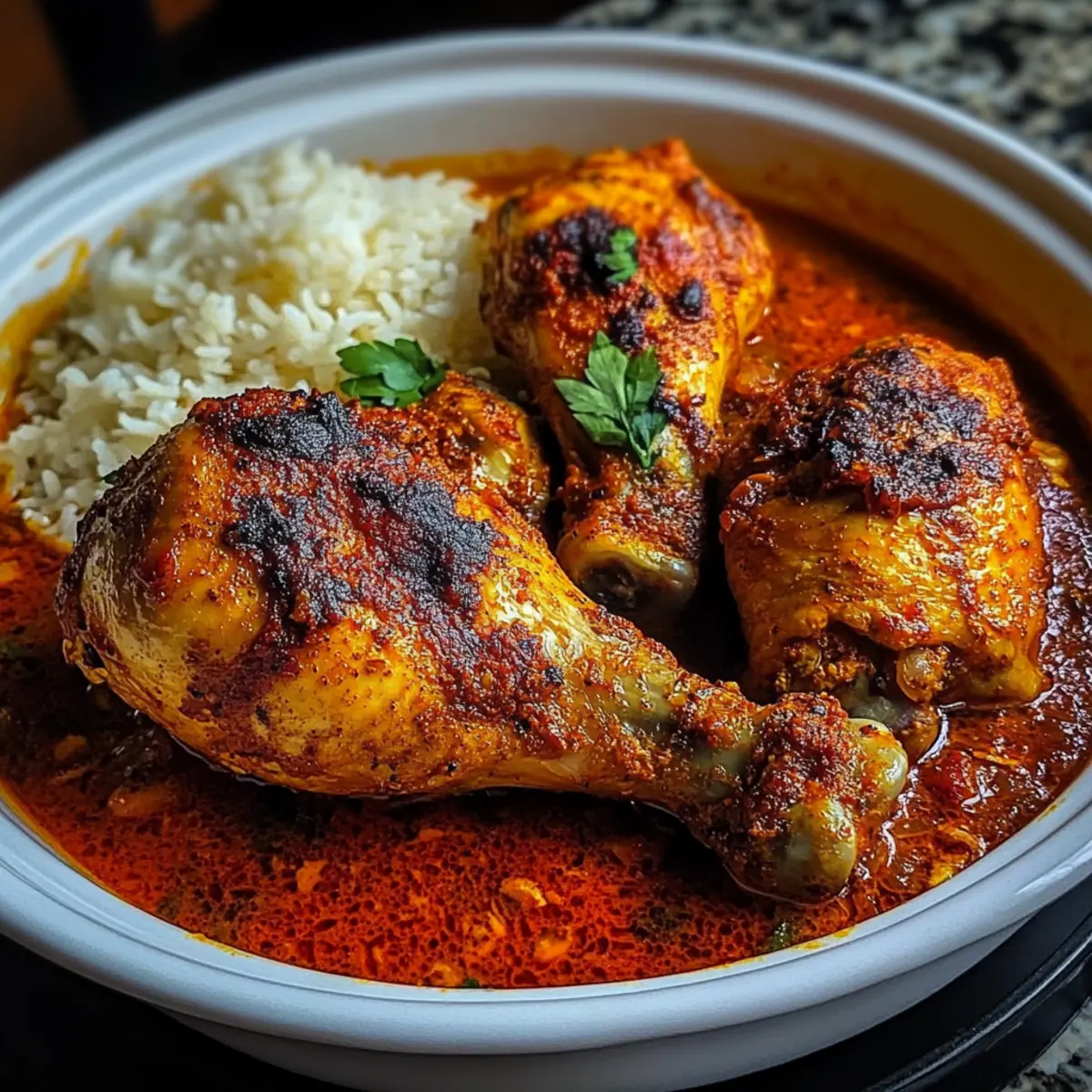
What to Serve with Nigerian Chicken Stew
Elevate your meal experience with delightful pairings that complement the rich, vibrant flavors of this dish.
- Fluffy White Rice: The perfect canvas to soak up the aromatic stew, offering a comforting balance with each bite.
- Sweet Fried Plantains: Their caramelized sweetness beautifully contrasts the spiciness of the stew, creating a harmonious blend of flavors.
- Boiled Yams: Offering a hearty, starchy counterpart, yams add a lovely texture and keep the meal fulfilling.
- Steamed Vegetables: Fresh, crisp vegetables bring a bright note and a hint of crunch to the dining experience.
- Cauliflower Rice: A lighter alternative, it serves as a fantastic low-carb pairing without sacrificing taste.
- Pineapple Juice: Its sweet, tart profile refreshes the palate, cutting through the stew’s richness deliciously.
- Mango Chutney: A dollop of sweet and tangy chutney adds an enticing flavor explosion, enhancing the overall meal experience.
- Chocolate Cake: For dessert, a slice of moist chocolate cake provides a decadent finish with its comforting, rich taste.
Nigerian Chicken Stew Recipe Variations
Feel free to get creative with this comforting dish and customize it to your taste!
- Beef Version: Substitute chicken with beef for a heartier twist, using the same marination and cooking techniques.
- Vegetarian Option: Use chickpeas or tofu instead of chicken, ensuring they absorb the wonderful sauce for a satisfying meal.
- Extra Veggies: Incorporate diced carrots, peas, or zucchini into the stew for added nutrition and color—it’s a great way to make it even more wholesome!
- Spicy Kick: For those who crave heat, add additional scotch bonnet peppers or a splash of hot sauce to the mix while simmering. Adjust based on your spice tolerance!
- Coconut Cream Blend: Stir in some coconut cream towards the end for a creamy factor that adds a lovely sweetness to counterbalance the spice.
- Herb Variations: Experiment with other herbs like cilantro or basil to garnish, lending your stew a fresh and aromatic twist.
- Serving Alternatives: Ditch the rice in favor of quinoa or couscous for an unexpected texture and flavor profile that still pairs beautifully with the stew.
- Saucy Delight: Turn this into a dipping sauce by significantly reducing the sauce until it thickens—perfect for accompanying bread or flatbreads at gatherings!
These variations can help keep your dinner routine fresh and exciting. For more delightful recipes that deliver comforting vibes, don’t forget to explore options like Tandoori Chicken Naan or Chicken Pot Pie. Happy cooking!
Expert Tips for Nigerian Chicken Stew
-
Marinate Well: A good marination is key to infusing flavors into the chicken. Don’t rush this step; at least 30 minutes is ideal for optimal taste.
-
Fresh Ingredients: Always opt for fresh vegetables and spices. Fresh produce significantly enhances the flavor of your Nigerian Chicken Stew, making it more aromatic and delightful.
-
Adjust Heat Carefully: If you love heat, maintain the scotch bonnet peppers, but if you prefer milder flavors, adjust the quantity or omit them entirely for a gentler stew.
-
Monitor Sauce Thickness: If your sauce becomes too thick while simmering, feel free to simmer uncovered. This helps reduce excess moisture and thickens the stew just right.
-
Use Proper Cooking Time: Ensure chicken is tender; simmering for 25-30 minutes allows the flavors to meld beautifully while ensuring the chicken is thoroughly cooked and juicy.
How to Store and Freeze Nigerian Chicken Stew
Fridge: Store your Nigerian Chicken Stew in an airtight container for up to 4 days. Ensure it has fully cooled before sealing to maintain freshness.
Freezer: This stew can be frozen for up to 3 months. Portion it out in freezer-safe bags or containers, leaving some space for expansion.
Reheating: To reheat, thaw overnight in the fridge and warm gently on the stovetop or microwave. Add a splash of water if the sauce thickens too much during reheating.
Room Temperature: It’s best to avoid leaving the stew at room temperature for more than 2 hours to ensure food safety and preserve flavors.
Make Ahead Options
These scrumptious Nigerian Chicken Stew preparations are perfect for busy cooks seeking to simplify mealtime! You can marinate the chicken with spices up to 24 hours in advance, allowing flavors to develop beautifully. Additionally, the sauce can be prepared ahead and refrigerated for up to 3 days; just combine the blended mixture and tomato paste, cooking it briefly before cooling and transferring to an airtight container. To serve, simply reheat the sauce and return the seared chicken to simmer until warmed through, ensuring the dish remains just as delicious as when freshly made. With these make-ahead options, you’ll have a comforting home-cooked meal ready at your convenience!

Nigerian Chicken Stew Recipe FAQs
How do I select the best chicken for this stew?
Absolutely! Opt for bone-in chicken pieces for richer flavor and tenderness—wings, thighs, or drumsticks work beautifully. If you prefer boneless, keep in mind that it may require a shorter cooking time, just about 15-20 minutes to ensure it’s fully cooked.
What is the best way to store leftovers?
Very! Store your Nigerian Chicken Stew in an airtight container in the refrigerator for up to 4 days. Make sure it has cooled completely before sealing to enhance freshness and prevent condensation inside the container.
Can I freeze the stew for later?
Yes, indeed! This stew freezes well for up to 3 months. To freeze, portion out the stew into freezer-safe bags or containers, leaving some space for expansion. Label the packages with the date for easy tracking.
What should I do if my stew is too thick?
No worries! If you find the stew has thickened too much during cooking or upon reheating, simply stir in a splash of water or chicken broth to achieve your desired consistency. Simmer uncovered for a few minutes if you want it thicker again.
Are there any dietary considerations I should be aware of?
Of course! While this Nigerian Chicken Stew is generally healthy, consider any allergies or dietary restrictions. The recipe contains common allergens such as chicken and spices, and users should substitute scotch bonnet peppers or bouillon cubes if needed for milder flavors or dietary preferences. Always check with family members or guests about any food sensitivities before serving.
How can I tell if my chicken is cooked properly?
Great question! Use a meat thermometer to ensure the chicken reaches an internal temperature of 165°F (74°C). Alternatively, cut into the thickest part of the chicken; the juices should run clear without any pink remaining. Remember, the chicken should be tender and easily fall from the bone when done.
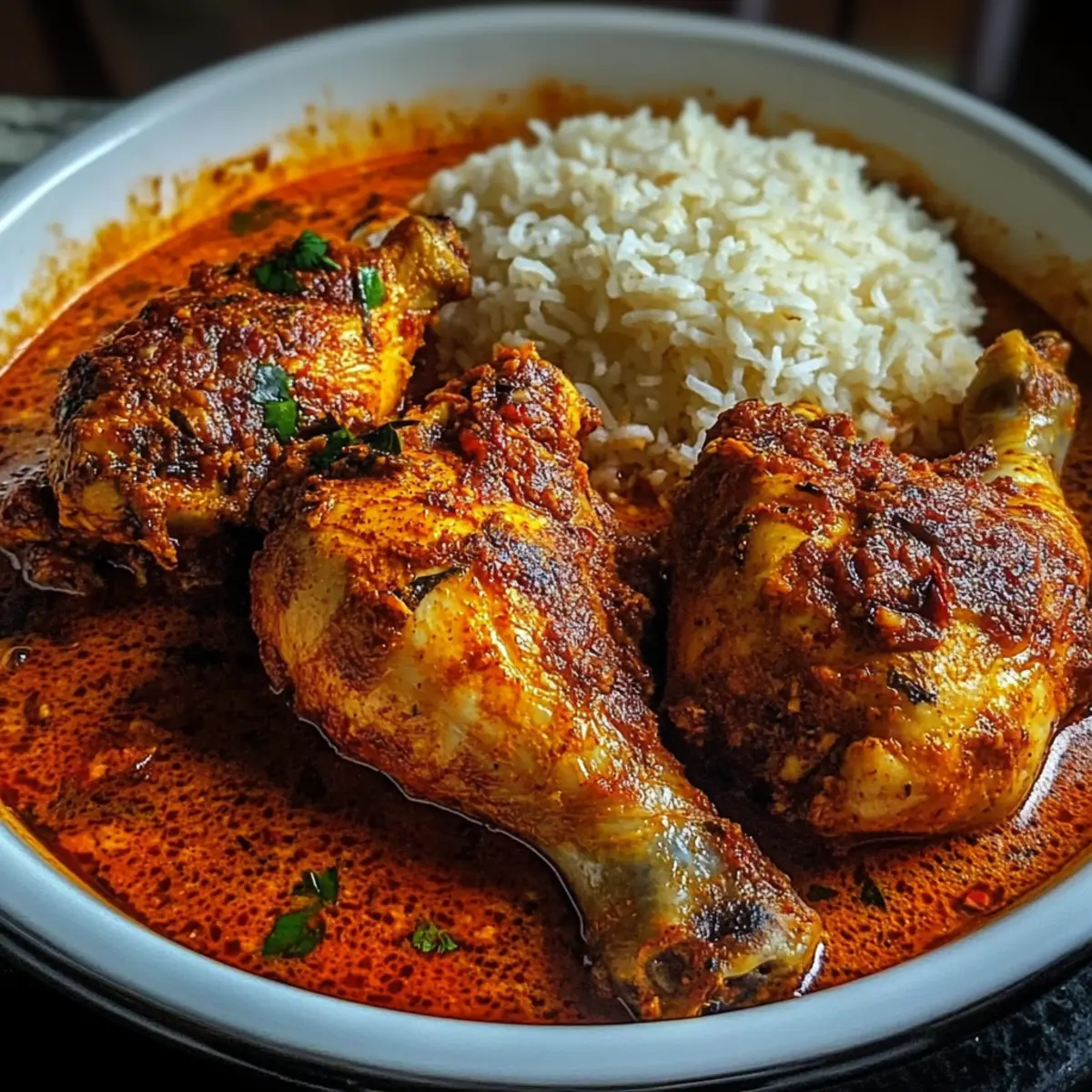
Mouthwatering Nigerian Chicken Stew Recipe for Comfort Cravings
Ingredients
Equipment
Method
- Marinate the chicken with salt, black pepper, paprika, curry powder, thyme, and chopped onion for at least 30 minutes or up to 2 hours.
- Heat vegetable oil in a skillet over medium-high heat. Sear marinated chicken for about 5-7 minutes on each side until golden brown, then remove and set aside.
- Blend Roma tomatoes, red bell pepper, small red onion, and scotch bonnet peppers until smooth to create the sauce.
- In the same skillet, add more oil if needed, then add tomato paste and fry for about 2 minutes.
- Pour in the blended tomato mixture, stir well, and simmer for about 10 minutes until it thickens.
- Reduce heat and mix in garlic powder, ginger powder, bouillon cube, and salt. Let simmer for another 5 minutes.
- Return browned chicken to the skillet, cover and simmer on low for 25-30 minutes until chicken is tender.
- Garnish with chopped parsley or cilantro and serve warm over fluffy rice or with sweet fried plantains.
Leave a Reply